
 Hp Laptops
 Lenovo Laptops
Networking
Explore curated products across our collection.

Showing 424 Products found




About Networking
Networking Equipment in Kenya – TechBro Africa
Networking equipment provides the infrastructure needed to connect computers, smartphones, servers, printers, cameras, access points, and other devices to local networks and the internet. From basic home networking to business, enterprise, and professional installations, the right networking equipment helps provide reliable connectivity, efficient data transfer, and scalable network management.
At TechBro Africa, customers in Kenya can explore networking products for homes, offices, schools, businesses, hotels, retail stores, CCTV installations, internet service providers, and professional IT environments.
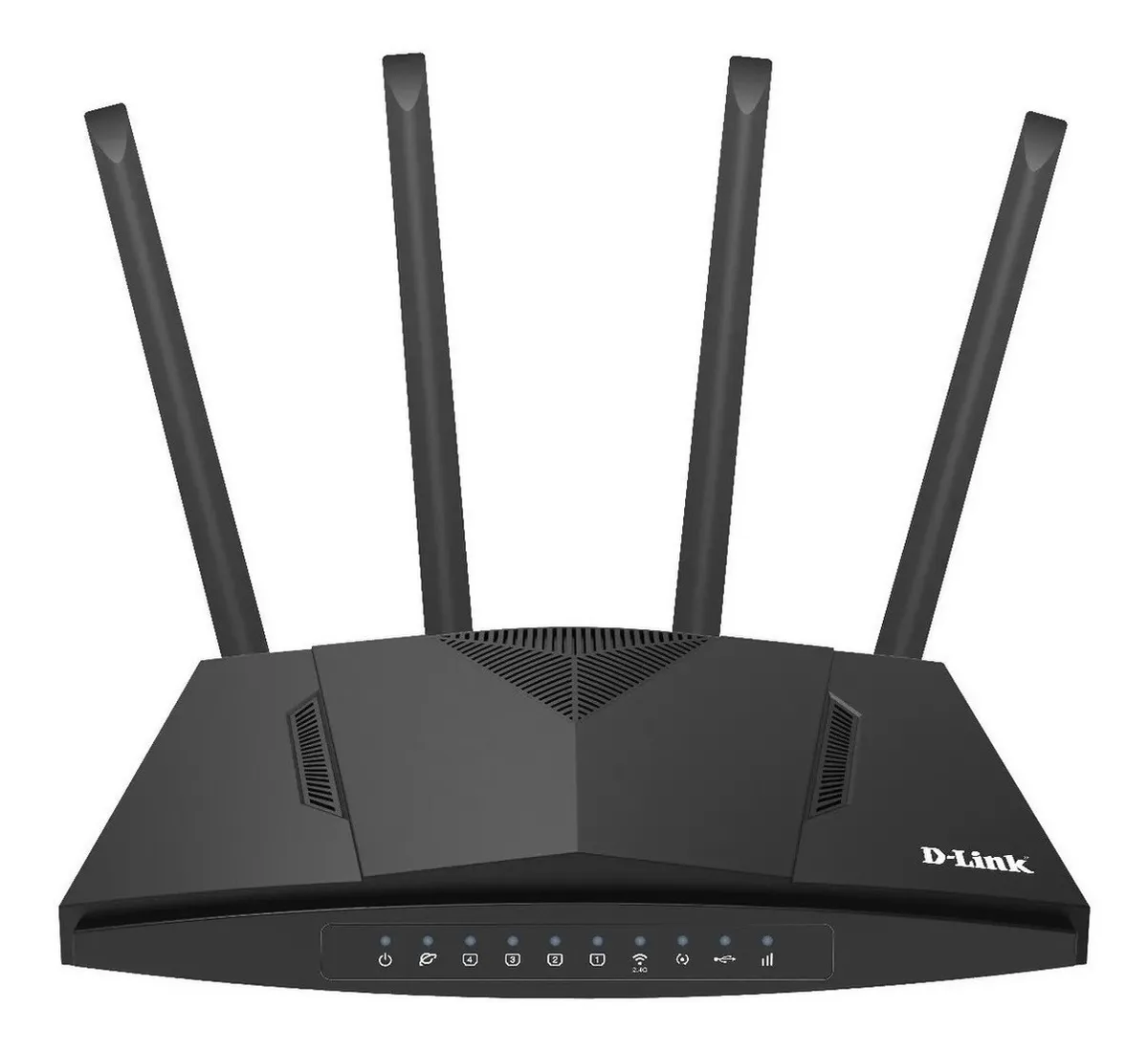
Network Routers
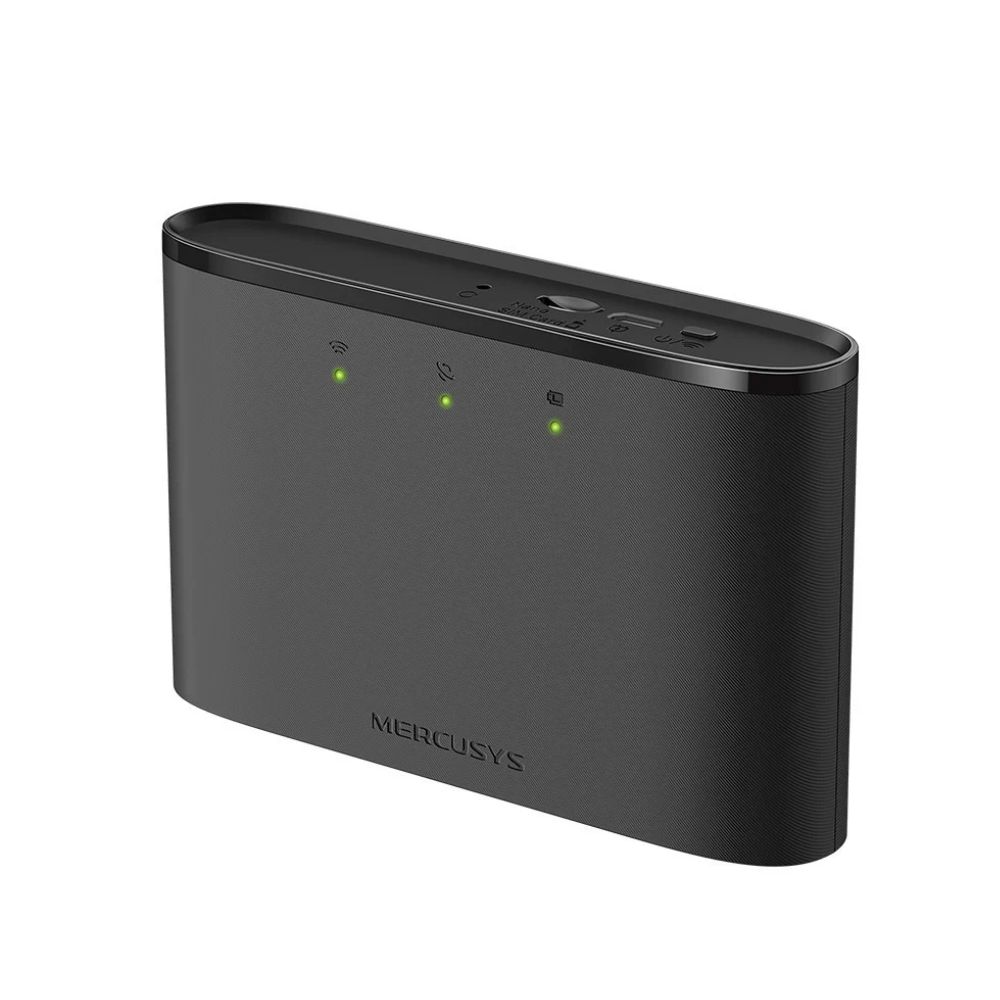
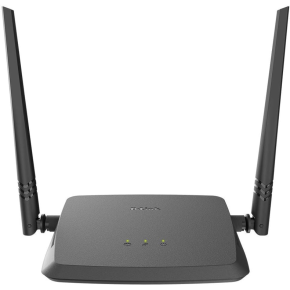
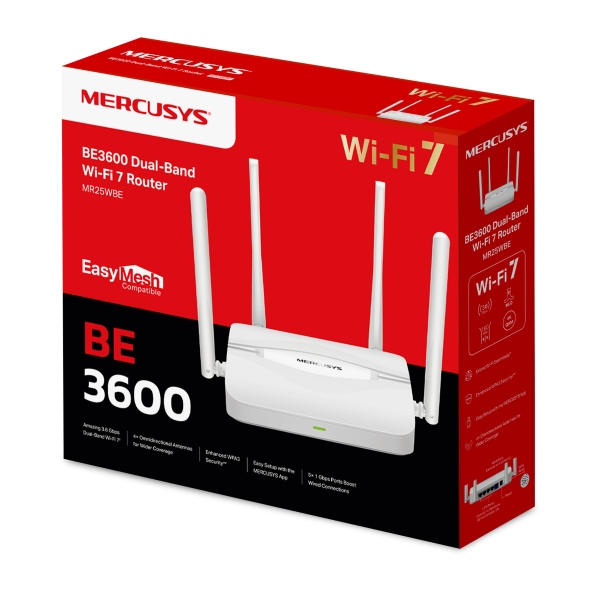
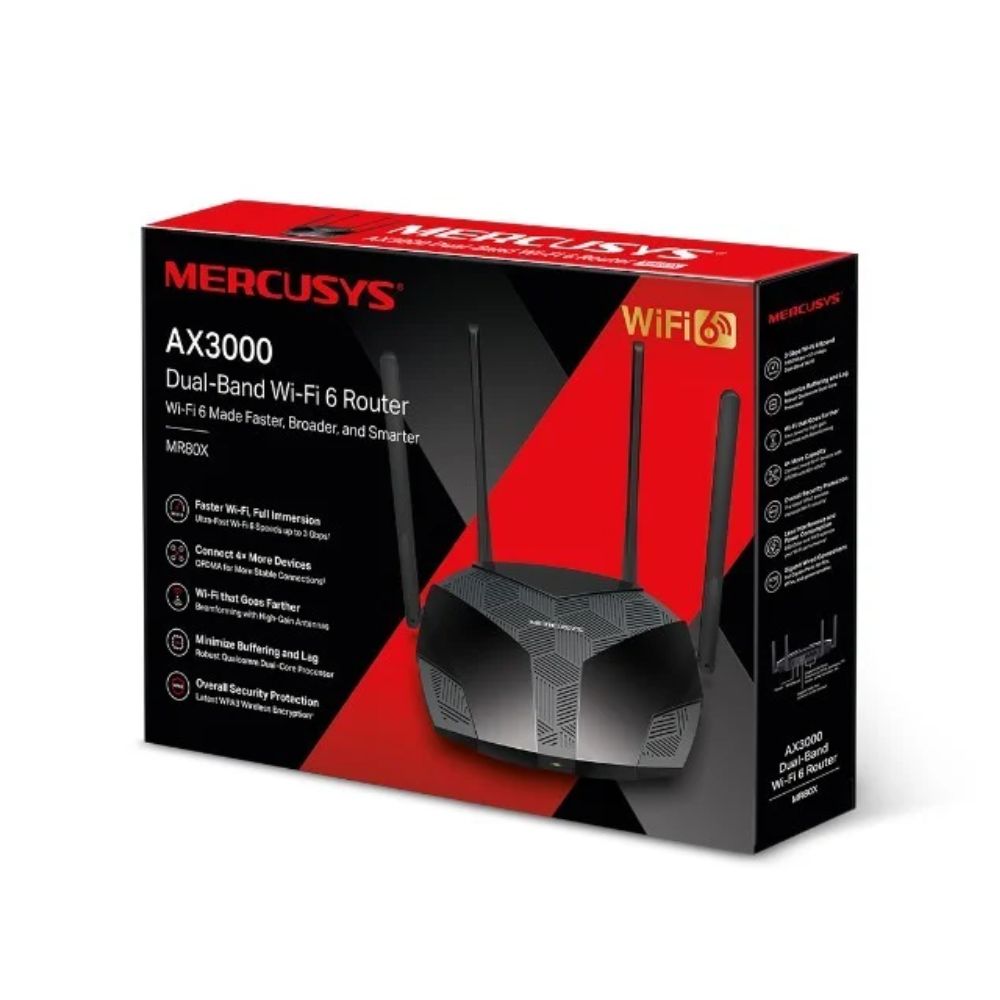
Network routers connect local networks to the internet and manage traffic between different networks. They can provide wired and wireless connectivity while offering features such as DHCP, NAT, firewall controls, VPN support, bandwidth management, and network security.
Routers are available for home users, small businesses, enterprise networks, and specialized deployments.
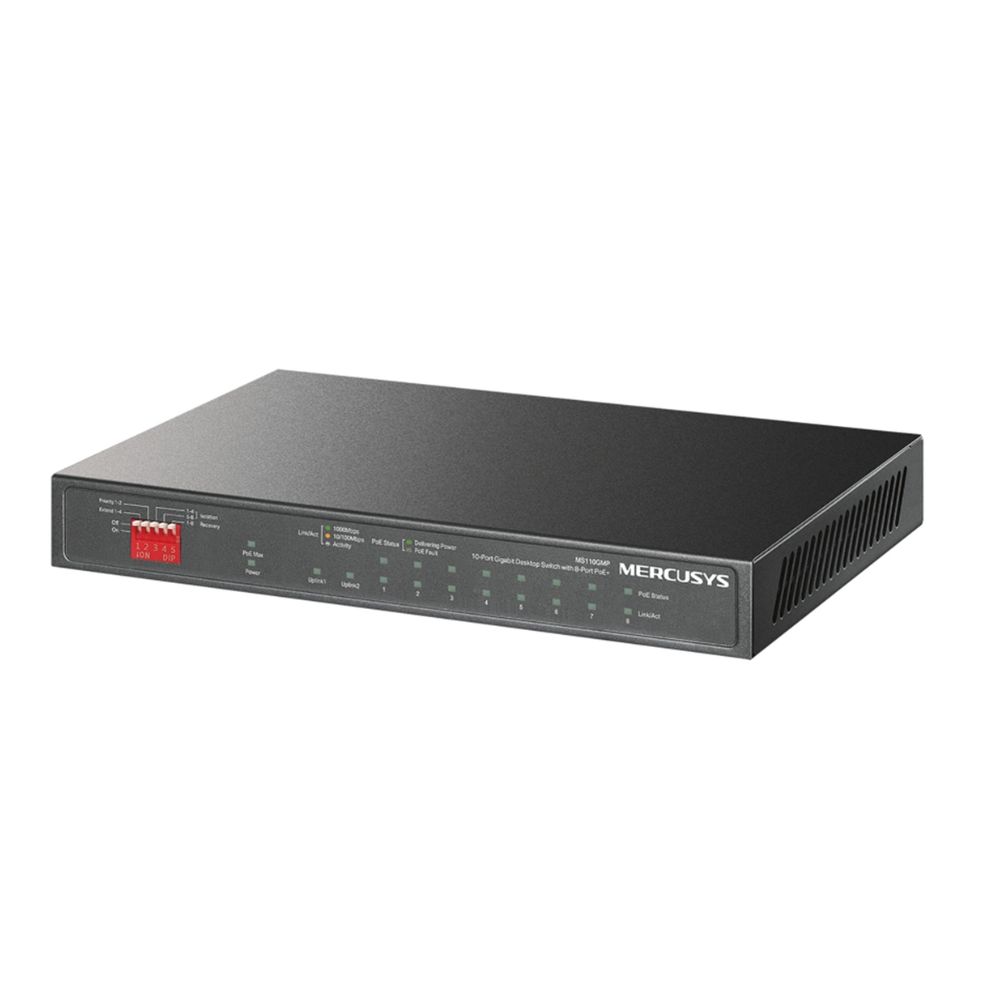
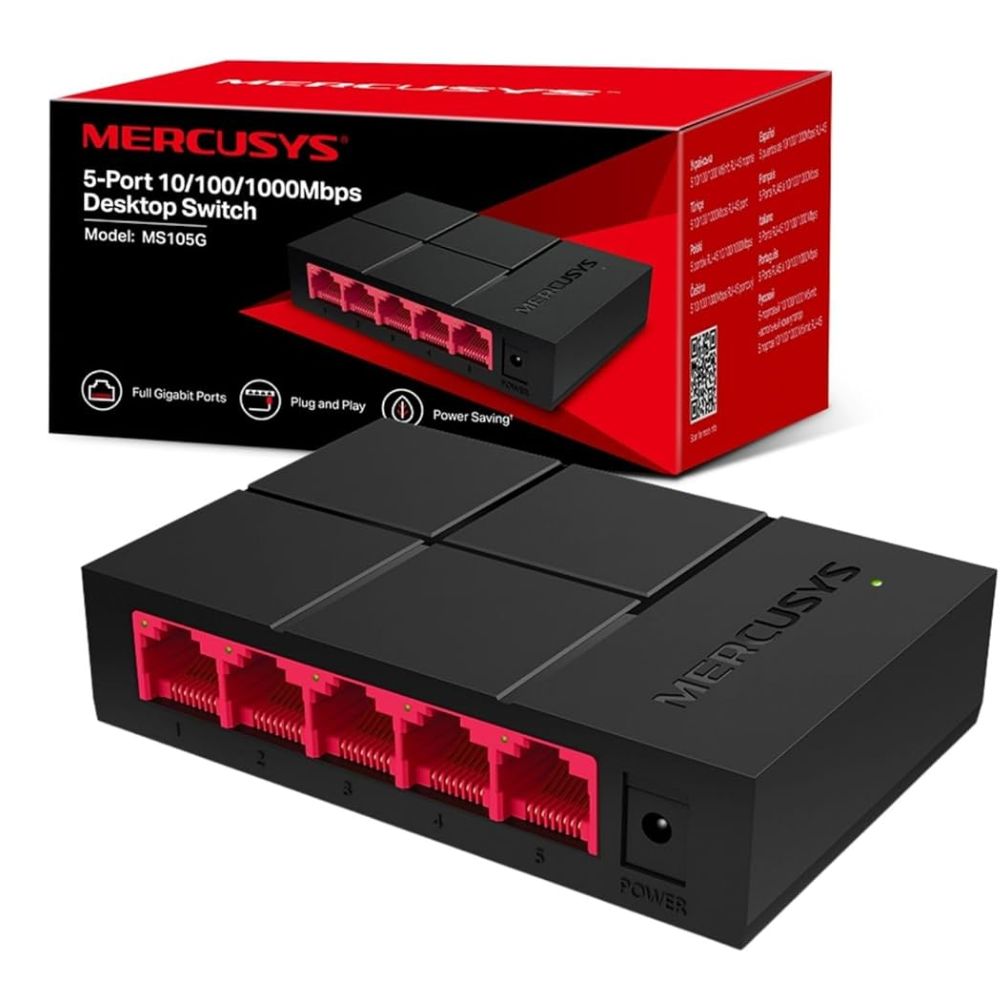
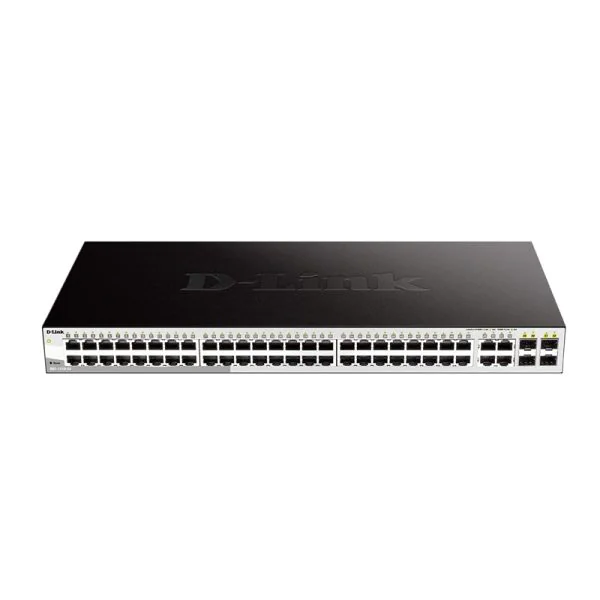
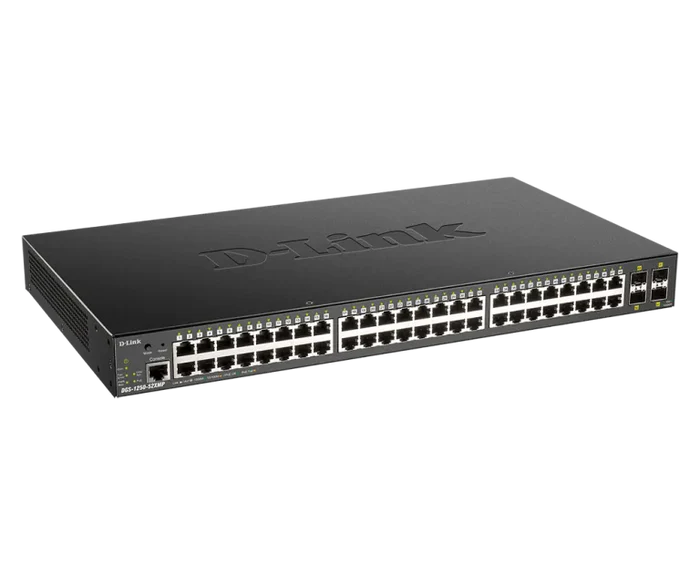
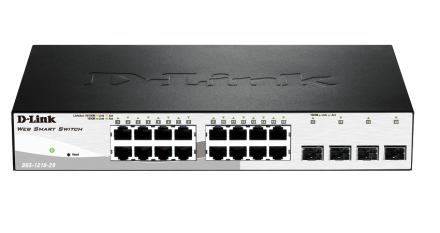
Network Switches
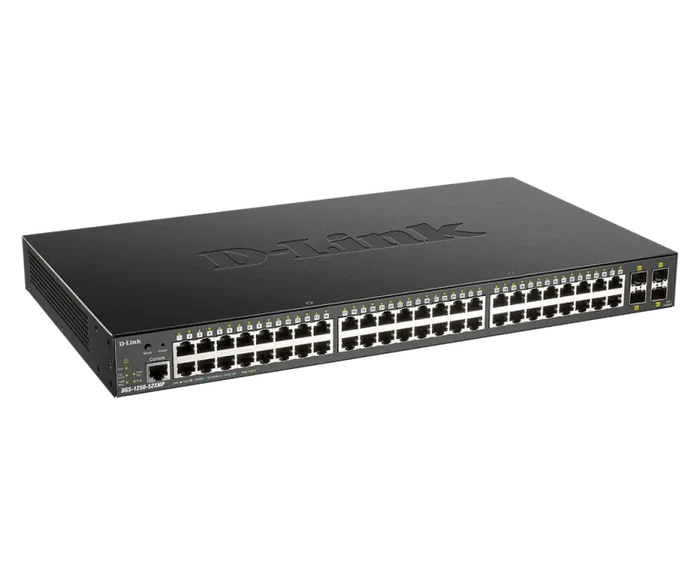
Network switches connect multiple wired devices within a local area network. They can be used to connect computers, printers, servers, access points, IP cameras, VoIP phones, and other Ethernet-enabled equipment.
Switches are available in different port counts and speeds, including Fast Ethernet, Gigabit Ethernet, and multi-Gigabit configurations.
Wireless Access Points
Wireless access points provide Wi-Fi connectivity to devices while connecting back to a wired network. Multiple access points can be deployed throughout an office, school, hotel, home, or commercial building to provide broader wireless coverage.
Wi-Fi 5, Wi-Fi 6, Wi-Fi 6E, and Wi-Fi 7 access points are available depending on performance requirements.
Range Extenders
Wi-Fi range extenders can expand wireless coverage into areas where the primary router's signal is weak. They can be useful for homes, small offices, and other locations with limited Wi-Fi coverage.
For larger or more demanding networks, additional wired access points or mesh systems may provide better overall performance.
Network Adapters
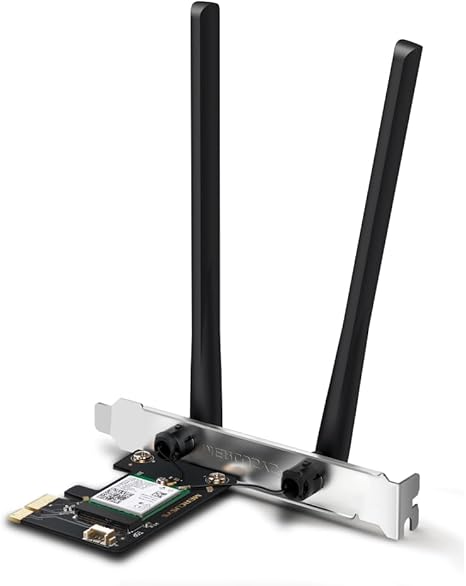
Network adapters allow computers and other devices to connect to wired or wireless networks. They are available in USB, PCIe, Ethernet, Wi-Fi, and other configurations depending on the device and application.
Wireless adapters can add Wi-Fi connectivity to compatible desktops and upgrade wireless capabilities on supported computers.
Wireless Adapters
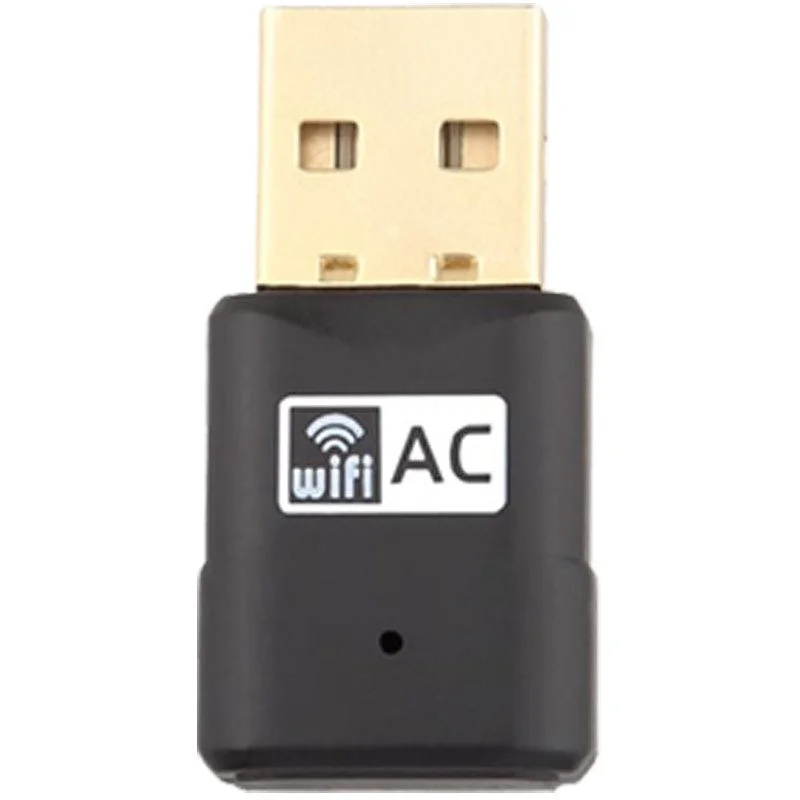
Wireless adapters provide Wi-Fi connectivity for desktops, laptops, and other compatible devices. Different models support different Wi-Fi generations, frequencies, antenna configurations, and wireless speeds.
USB wireless adapters are particularly convenient because they can generally be installed without opening a desktop computer.
Ethernet Adapters
Ethernet adapters provide wired network connectivity for devices that lack a built-in Ethernet port. USB-to-Ethernet adapters are useful for modern laptops and other compact computers with limited physical ports.
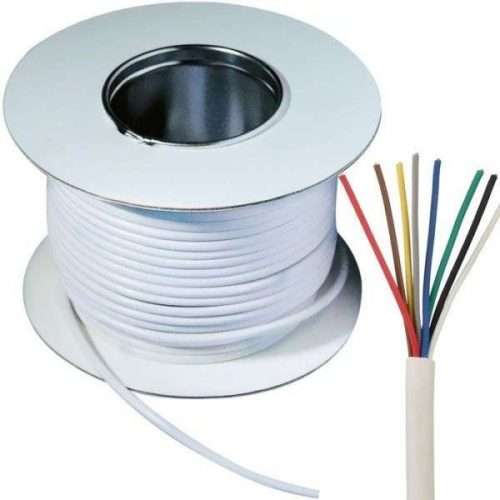
Network Cables
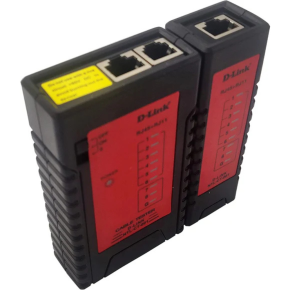
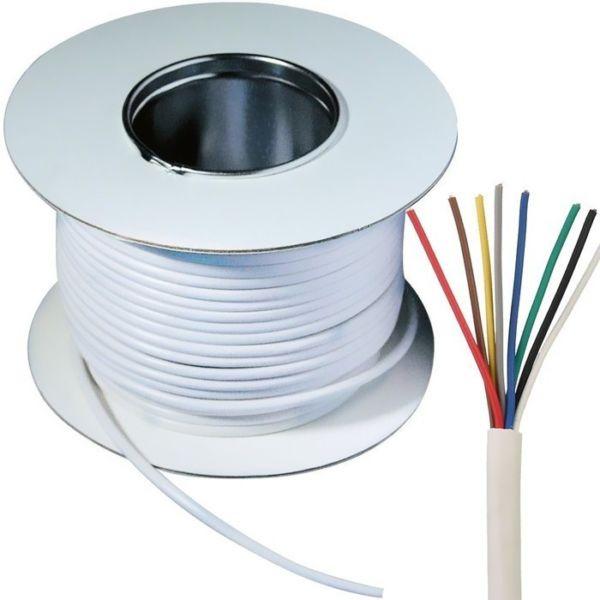
Ethernet network cables provide the physical connection between routers, switches, computers, access points, IP cameras, servers, and other network devices.
Different cable categories support different bandwidths and transmission characteristics, making cable selection important for high-speed network installations.
Patch Cables and Patch Panels
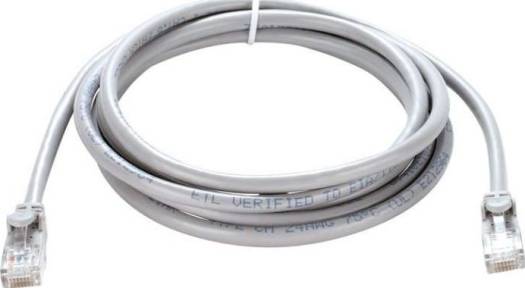
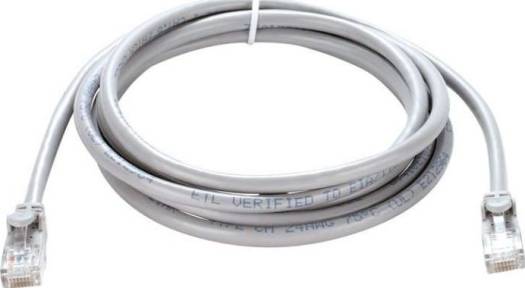
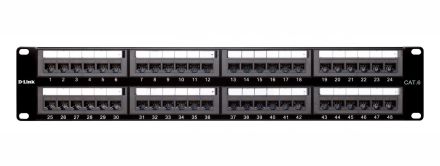
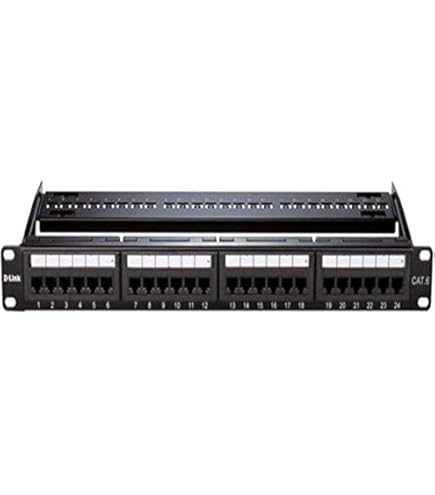
Patch cables provide short Ethernet connections between network equipment, patch panels, computers, and other devices.
Patch panels help organize network cabling inside cabinets and racks, making larger installations easier to manage, troubleshoot, and maintain.
PoE Networking Equipment
Power over Ethernet equipment allows compatible devices to receive both network connectivity and electrical power through Ethernet cabling.
PoE can simplify installations involving access points, IP cameras, VoIP phones, and other compatible network devices by reducing the need for separate power cables.
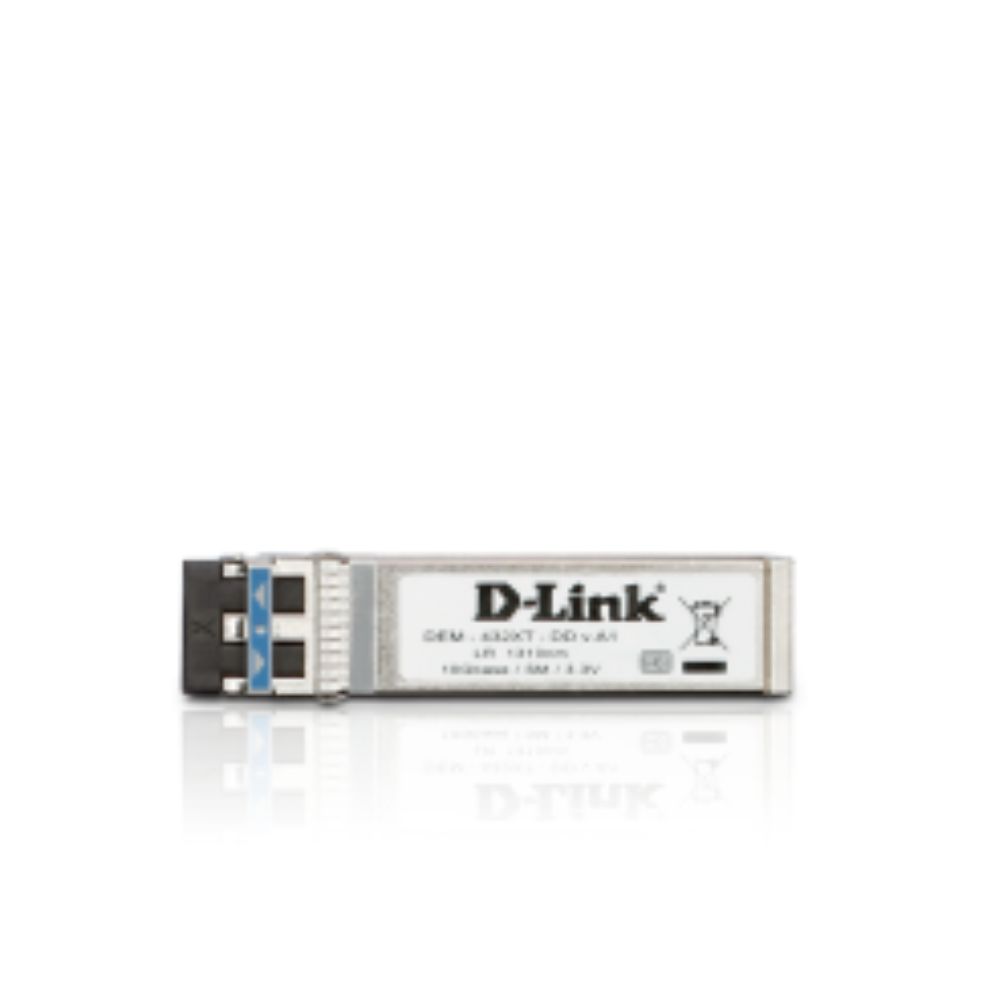
Network Transceivers
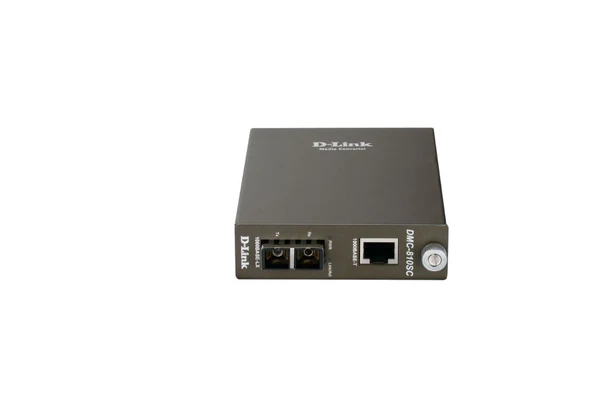
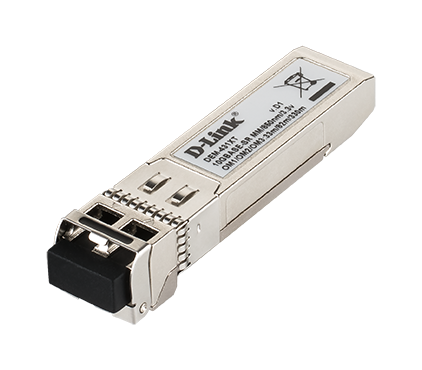
Network transceivers allow networking equipment to communicate over different types of physical media. SFP and SFP+ modules, for example, can provide fiber or copper connectivity depending on the module and equipment.
They are commonly used in switches, routers, servers, and other professional networking equipment.
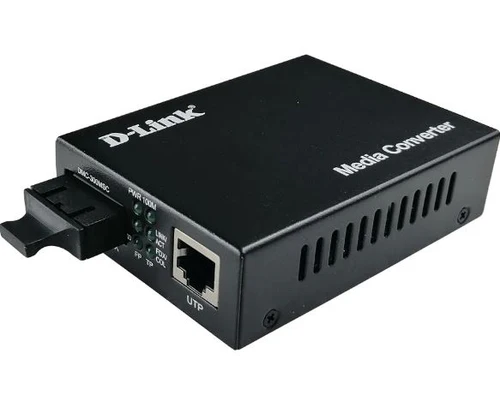
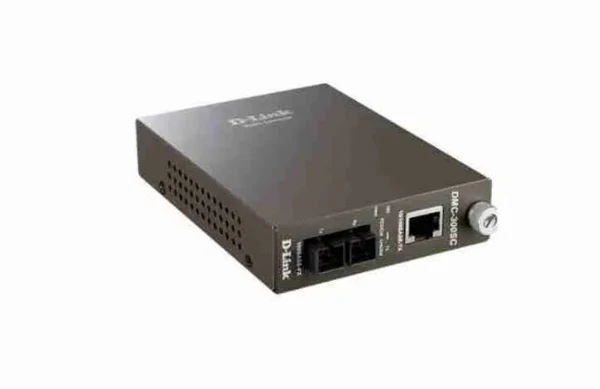
Fiber Optic Networking
Fiber optic networking provides high-speed data transmission over optical fiber. It is widely used for backbone connections, long-distance networking, data centers, ISP infrastructure, and inter-building links.
Fiber networking can provide high bandwidth and longer transmission distances compared with traditional copper Ethernet.
Network Cabinets and Racks
Network racks and cabinets provide organized mounting space for switches, routers, patch panels, servers, UPS systems, and other rack-mounted equipment.
They help protect networking hardware while keeping cables and equipment organized for easier maintenance.
Network Servers and Storage Connectivity
Business networks can connect servers, network-attached storage systems, backup devices, printers, and other shared resources through Ethernet and fiber networking equipment.
Higher-speed network connections can be useful for businesses transferring large files or accessing centralized storage.
Networking for CCTV
Network infrastructure plays an important role in IP surveillance systems. Switches, PoE switches, routers, Ethernet cables, wireless bridges, and other networking equipment can connect IP cameras to recording systems and monitoring devices.
A properly designed network helps provide reliable communication between cameras, NVRs, monitoring stations, and remote users.
Networking for Businesses
Businesses can use networking equipment to connect computers, printers, servers, IP phones, access points, cameras, and other devices.
A business network may combine routers, managed switches, access points, firewalls, structured cabling, and other infrastructure to provide secure and scalable connectivity.
Networking for Homes
Home networks can connect smartphones, laptops, smart TVs, gaming consoles, printers, cameras, smart-home devices, and other equipment.
A typical home network may include a router, wireless access point or mesh system, Ethernet switches, and network cables.
Networking for Schools
Schools and educational institutions require reliable connectivity across classrooms, offices, libraries, laboratories, and other facilities.
Wireless access points, switches, routers, structured cabling, and network security equipment can work together to provide connectivity for students, teachers, administrative systems, and connected devices.
Networking for Hotels and Hospitality
Hotels can deploy routers, switches, access points, PoE equipment, and structured cabling to provide internet access across guest rooms, reception areas, restaurants, conference facilities, and staff areas.
Separate guest and administrative networks can be configured where supported by the network infrastructure.
Networking for ISPs
Internet service providers and wireless ISPs require specialized networking equipment for routing, traffic management, subscriber connectivity, wireless distribution, fiber links, and network infrastructure.
Professional routers, switches, wireless equipment, fiber components, and bandwidth-management solutions can be combined to build scalable ISP networks.
Managed and Unmanaged Switches
Unmanaged switches provide simple plug-and-play Ethernet connectivity, making them suitable for basic networks.
Managed switches provide additional configuration and monitoring capabilities, including VLANs, traffic management, port controls, link aggregation, and other advanced features depending on the model.
Choosing Networking Equipment in Kenya
When selecting networking equipment, consider network size, internet speed, number of connected devices, Ethernet speed, Wi-Fi generation, port count, PoE requirements, managed or unmanaged operation, fiber connectivity, network coverage, security requirements, and future expansion.
For a small home network, a router and basic switch may be sufficient. Larger offices, schools, hotels, and businesses may require managed switches, multiple access points, PoE equipment, structured cabling, and more advanced routing infrastructure.
At TechBro Africa, customers in Kenya can explore networking equipment for homes, offices, businesses, schools, hotels, CCTV systems, ISPs, and professional IT infrastructure.
Why Buy Networking Equipment from TechBro Africa?
TechBro Africa provides networking equipment and connectivity solutions for customers across Kenya. The range can support everything from simple home networks to larger commercial and professional installations.
Conclusion
Networking equipment forms the foundation of modern wired and wireless connectivity. With routers, switches, access points, range extenders, wireless adapters, Ethernet adapters, cables, PoE equipment, fiber networking products, transceivers, racks, and other network accessories, customers can build and expand networks according to their requirements.
At TechBro Africa, customers in Kenya can explore networking equipment for home internet, business connectivity, Wi-Fi expansion, CCTV, schools, hotels, offices, ISP infrastructure, and professional network deployments.